Inside the Smelter: The Chokepoint of the Cobalt Supply Chain
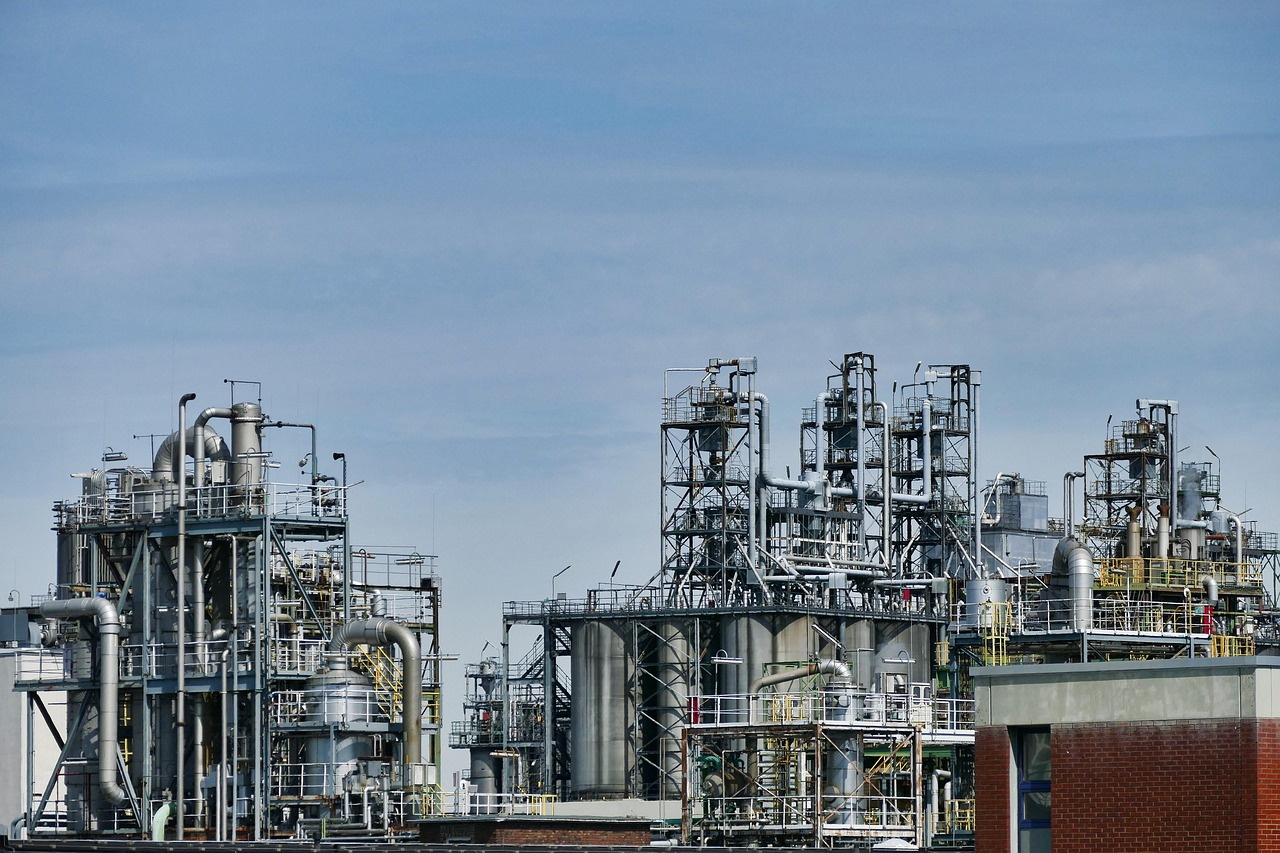
If you want to understand power in the cobalt supply chain, do not start at the mine. Start at the smelter. Mining produces ore, but ore is not usable in a battery. It must be refined into cobalt sulfate or other chemical forms, and the facilities capable of doing this at scale are concentrated in a few countries. This concentration is the single most important fact about cobalt, because it determines who can set prices, who can enforce standards, and who can be bypassed.
The majority of global cobalt refining capacity sits in China, with additional capacity in Finland, Belgium, and a few other locations. This means that even cobalt mined in the DRC and sold to a European trader will likely travel to Asia for processing before returning to Europe or North America in a battery. The logistics are global and the oversight is uneven. A smelter that receives feed from multiple mines has limited ability to verify the origin of each batch, especially when the material arrives mixed.
Why Smelters Are the Key to Traceability
Traceability programs often focus on mines, but the smelter is where verification becomes practical. Ore can be tested for chemical signatures that indicate its source region. Smelters can be audited for their intake procedures and required to document the chain of custody for each shipment. Several industry initiatives have begun to standardize these audits, and some automakers now require their suppliers to use only smelters that pass independent assessments.
The leverage point is real. Because refining capacity is scarce, smelters have significant bargaining power. If a smelter refuses to accept unverified material, that material has fewer places to go. Conversely, if a smelter looks the other way, no amount of mine-level auditing will catch the problem. This is why campaigners have shifted attention from pit to plant, arguing that the most effective intervention is at the point where ore becomes a traded commodity.
The Risk of Overconcentration
Concentration also creates vulnerability. A disruption at a single major refinery can ripple through the entire battery industry. Labor disputes, energy shortages, export restrictions, or environmental crackdowns can all interrupt supply. Companies that depend on a narrow set of refiners have limited flexibility when something goes wrong.
Some governments and manufacturers are responding by investing in new refining capacity closer to mining regions or in consumer markets. These projects are expensive and slow to build, and they face their own environmental challenges. But they could eventually reduce the chokepoint effect, giving buyers more options and making it harder for any single facility to dictate terms.
For now, the smelter remains the quiet center of the cobalt world. It is not a photogenic place, and it rarely appears in marketing materials. But it is where the ethical and economic fate of the supply chain is largely decided.