What Drivers Should Know About the Cobalt in Their Electric Cars
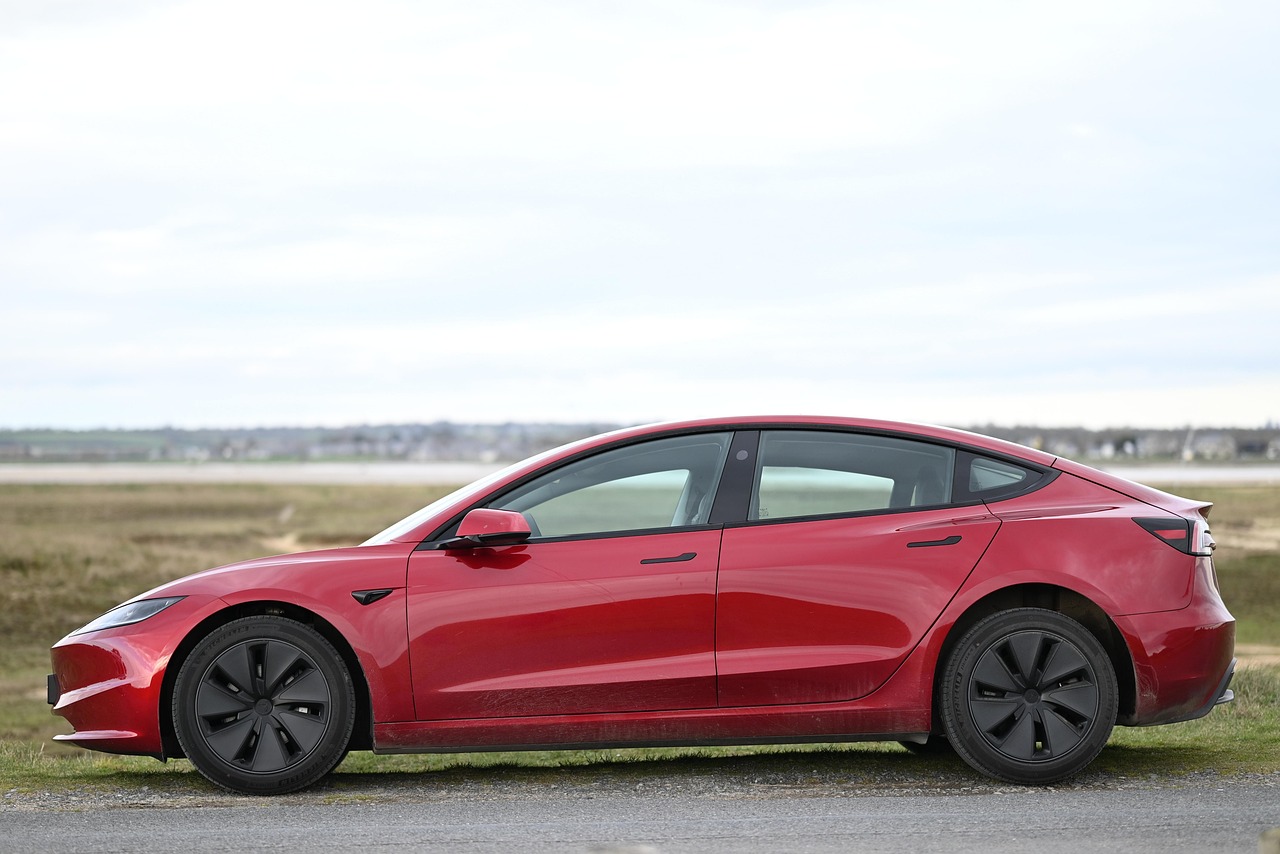
Electric vehicle owners are used to answering questions about range, charging time, and cost. Fewer are prepared to answer questions about cobalt. Yet the metal is present in many EV batteries, and the conditions under which it was mined are part of the environmental and social footprint of the car. Understanding that footprint does not require a degree in metallurgy. It requires knowing a few basic facts and asking a few direct questions.
The first fact is that not all EV batteries contain the same amount of cobalt. Battery chemistry varies by manufacturer and model. Some use lithium iron phosphate, which contains no cobalt at all. Others use nickel-cobalt-manganese chemistries with varying ratios. A standard-range vehicle may have a very different supply chain profile than a long-range performance model. This means consumers have real choices, even within the same brand.
Questions Worth Asking
When shopping for an EV, it is reasonable to ask the dealer or manufacturer where the battery materials come from and what sourcing standards apply. Some companies publish annual supply chain reports that list their smelters and describe their audit processes. Others are less transparent. The difference matters, because public disclosure creates accountability. A company that names its suppliers is a company that can be checked.
It is also worth asking about battery recycling. Cobalt is valuable, and a robust recycling system reduces the need for new mining. Some manufacturers have established take-back programs or partnerships with recyclers. Others leave it to the owner to figure out. The more clearly a company handles end-of-life batteries, the less pressure there is on primary extraction.
The Limits of Consumer Power
It would be dishonest to suggest that individual purchasing decisions can fix a global supply chain. The scale of the challenge is too large, and the information available to consumers is too incomplete. But consumer pressure is not meaningless. Automakers respond to reputational risk, and reputational risk grows when buyers ask uncomfortable questions in showrooms and on social media.
The most effective consumer action is probably collective: supporting organizations that monitor supply chains, voting for politicians who take corporate accountability seriously, and choosing brands that demonstrate real effort rather than vague promises. The electric vehicle transition is necessary, but it is not automatically just. Justice depends on whether the people who extract the materials share in the benefits of the technology they make possible.
Drivers do not need to feel guilty about owning an EV. They do need to understand that the car is connected to a world of tunnels, traders, and refineries. That understanding is the first step toward demanding better.