The Cobalt Beneath Your EV: A Journey from Tunnel to Trunk
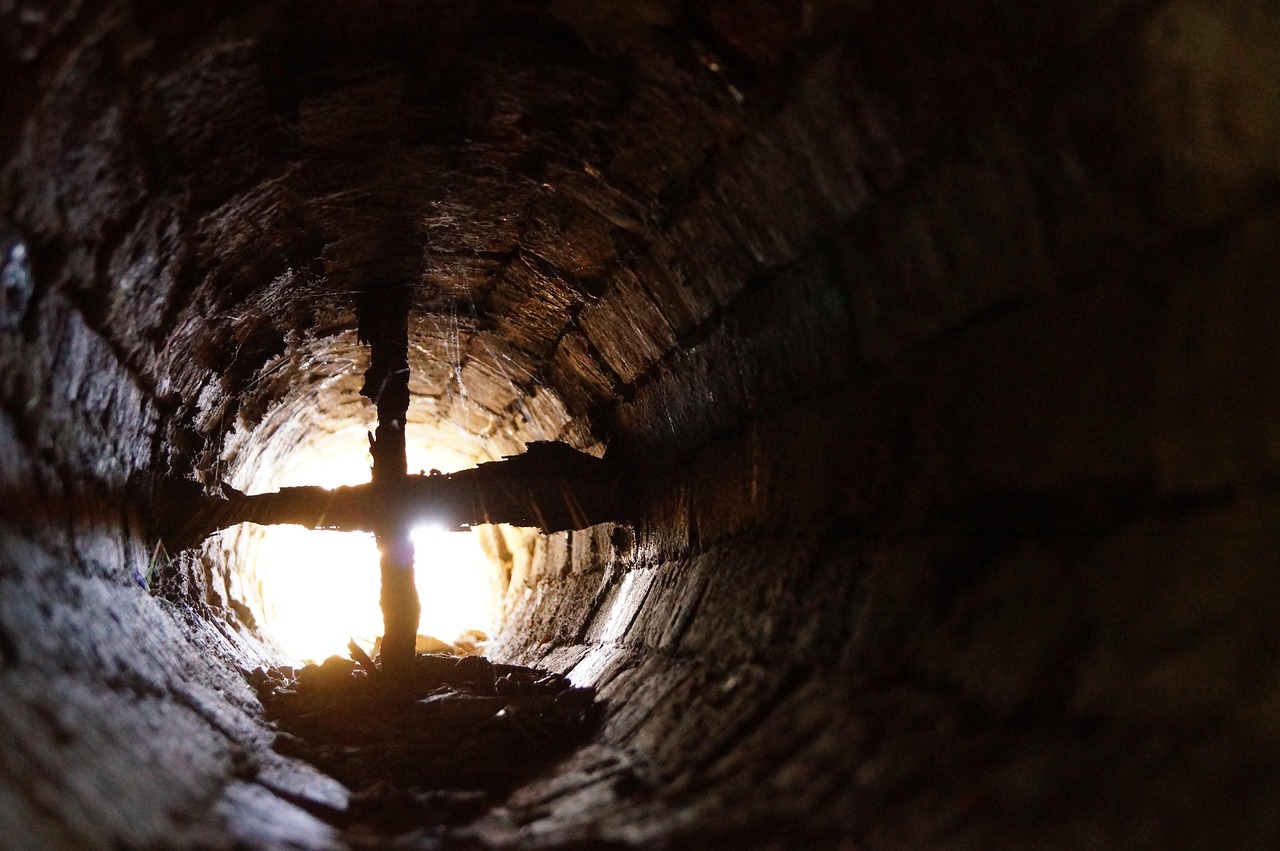
When you press the accelerator of an electric vehicle, the response feels instantaneous and clean. What that moment hides is one of the longest and most complicated supply chains in modern manufacturing. Cobalt, the silvery-blue metal that helps stabilize lithium-ion battery cathodes, begins its journey thousands of feet underground, most often in the Democratic Republic of the Congo, and passes through a dizzying series of intermediaries before it ever reaches a car.
The first stage is the mine itself. Some cobalt comes from large industrial operations run by multinational firms, where workers use heavy machinery and ventilation systems designed to keep dust and heat manageable. But a significant share comes from artisanal and small-scale mining, where individuals dig with hand tools, often in tunnels that would fail any formal safety inspection. These miners sell ore to local traders, who aggregate it and move it by truck to processing facilities. From there, the material may cross borders, change hands several times, and be mixed with cobalt from other sources until its origin becomes nearly impossible to verify.
Why Traceability Is So Hard
The difficulty is not that companies are unaware of the problem. It is that cobalt is a byproduct. Most of it is extracted alongside copper or nickel, which means the economics of a mine are driven by other metals. Tracing cobalt alone is like trying to follow one ingredient through a kitchen that never labels its containers. Industry schemes like the Responsible Minerals Initiative have created audit frameworks, but audits capture snapshots, not continuous flows. A smelter can pass an inspection in one quarter and receive unverified feed the next.
Blockchain-based traceability pilots have tried to close this gap by tagging bags of ore at the pit and recording each transfer. The results are promising but limited. Digital records only work if the physical material stays segregated, and segregation costs money. When cobalt prices are low, the incentive to maintain separate streams weakens. When prices spike, informal miners flood the market and the volume of untracked material grows.
What Automakers Can Actually Do
For EV manufacturers, the practical options are narrower than marketing departments suggest. One is to reduce cobalt intensity in battery chemistry, which many firms are already doing by shifting toward lithium iron phosphate or high-nickel cathodes with less cobalt. Another is to contract directly with refiners who can demonstrate verified sourcing, bypassing the spot market. A third is to invest in formalizing artisanal mining, providing safety equipment and fair prices in exchange for participation in traceability programs.
None of these approaches eliminates the problem overnight. But they change the question from whether a battery contains cobalt to how that cobalt was extracted, by whom, and under what conditions. That shift matters, because the electric vehicle revolution will only be as ethical as the least visible link in its supply chain. Drivers who care about emissions should care about tunnels too, and the people who work in them.